
How OTAA Turned a Wedding “Life Hack” Into a Global Menswear Brand
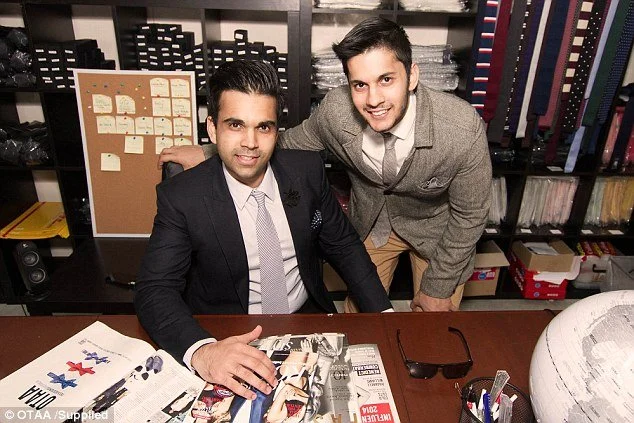
Fourteen years ago, two brothers walked into a department store looking for a single necktie for a wedding. They didn’t have $500–$1,000 to spend on a new suit, so they did what a lot of people quietly do: they found a workaround.
“A fresh tie makes the whole outfit look new.”
But what they found in-store was either overpriced, poor quality, or treated like an afterthought, ties dumped on tables, limited options, and a customer experience that felt… dismissive.
That moment didn’t just frustrate Fameez and his brother Shaheen. It lit a fuse.
And it became the origin story of OTAA, a Melbourne-born men’s formalwear brand known for handcrafted accessories, bold humour, and the kind of marketing that feels more Hollywood parody than polished fashion catalogue.
The Earliest Days: “Business for Dummies” and One Visitor (Mum)
If you’re picturing a slick Shopify launch with instant sales, it wasn’t that.
Their “business plan” was a fluorescent yellow book: How to Start a Business for Dummies, read “like the Bible”, step by step.
They learned everything manually:
registering an ABN
building a website
sourcing products
writing listings
figuring out how to drive traffic
And then came the part Fameez says is the hardest for any founder: getting the first sale.
They posted on forums, did anything they could to be seen, and after about a month, when they were close to throwing in the towel, an order came through from South Australia.
That one order changed everything.
Not because it made them rich.
Because it proved: someone, somewhere, trusted them enough to buy online.
And 14 years ago, that was a big deal.
The Breakthrough Moment
The first real surge didn’t come from ads. It came from a pitch.
Fameez started emailing major publications, Huffington Post, The New York Times, anyone who might listen. Most didn’t reply. Some ignored them completely.
Then one day, Huffington Post responded: they were interested.
Fameez did the interview, felt like he fumbled it, and assumed nothing would come of it.
A month later, his cousin messaged him: OTAA was featured on the front page of Huffington Post. Traffic flooded in.
And for the first time, OTAA wasn’t just a small brand with a clever idea. It was a story people wanted to share.
Content, Consistency, and the “How to Tie a Tie” Advantage
Fameez and Shaheen didn’t rely on luck. They built stability through content.
They created:
“how to tie a tie” videos
style and formalwear guides
education-led content that built trust over time
It wasn’t just marketing, it became part of the OTAA experience: approachable, helpful, and never too serious.
Use Humor to Dismantle Pretentiousness
While competitors focused on models brooding against brick walls, Otter leaned into "unhinged," high-production comedy. They spent big on Hollywood-produced ads involving aliens and treasure hunters to sell something as traditional as a non-iron shirt.
If most fashion brands are a somber black-tie gala, Otter is Happy Gilmore in a necktie. By being "goofy" and authentic, they didn't just sell a product; they built a cult-like following that spans from regular guys to White House officials and Fox News anchors.
Scaling Without Losing Control
OTAA has now served over 400,000 customers globally, bootstrapped, with no external investment.
That forced a different mindset. Instead of chasing vanity revenue, they focused on:
profitability on first purchase
keeping the business alive
controlling the levers that mattered because no one else was coming to save them
As the business grew, Fameez described the shift as this: you’re constantly firing yourself from roles.
You start doing everything, shipping, customer service, marketing, website updates and product work.
Then, slowly, you replace yourself, one task at a time, by hiring people who can own each function properly.
The Next Chapter: Shirts Now, Suits Later
OTAA’s long-term vision is clear:
To become one of the biggest direct-to-consumer men’s formalwear brands globally.
The path is logical:
Ties (the origin niche)
Shirts (now the growth engine)
Potentially suits (future expansion)
But they’re not rushing.
They’re learning from customers, improving fits, and even looking at how AI can help people find sizing online—because what made sense for “one size fits all” ties is a different game when you sell shirts.
The Lesson Most People Miss: Own the Niche Everyone Else Abandoned
OTAA launched in an era when workplace ties were fading. So why build a tie business when ties were “going out of fashion”?
Fameez’s response was simple: The niche may be smaller, but if your brand grows and you capture more of the market, your numbers can grow every year.
By doubling down on a shrinking category, they dominated a niche so thoroughly that they became the default choice for anyone who still valued formal menswear. The math is counterintuitive but powerful. Even if the overall market contracts, if your share of that market grows significantly, your revenue can still climb year over year.
“We also live in a global world. Maybe in Australia, people don’t wear ties as much, but people in the USA wear ties. People in the UK wear ties.”
What He’d Do Differently
Fameez’s answer was direct: Talk to mentors earlier.
They built OTAA with heads down, figuring things out alone. It worked but it was slower than it needed to be. Get perspective from people a few steps ahead. The levels keep changing. That’s the game.
The Question Every Founder Should Ask
Otter's success wasn't built on venture capital, perfect timing, or even industry experience. It was built on resourcefulness, resilience, and a willingness to ignore conventional wisdom when it didn't fit their reality.
But here's the deeper question for every business owner reading this:
Are you building a brand that could exist without you or are you building something that only you could create?
The Harun brothers didn't have a template. They didn't have mentors (though Famese now wishes they had). What they had was a problem, a perspective, and a willingness to solve it their way.
That's entrepreneurship.
Ready to Build Something That Lasts?
Starting a business is one thing. Building the structure to scale it profitably—without losing control or burning out—is another.
At Alexander Spencer, we've been helping Australian business owners navigate growth, optimise structure, and avoid costly mistakes. Whether you're bootstrapping your first product or scaling to your next milestone, we can help you build smarter.
Book a strategy session with our advisors today and get clarity on the structural decisions that matter most. Visit alexanderspencer.com.au