
When Following the Market Would Have Killed the Business
In a world obsessed with speed, scale, and fast fashion, choosing to slow down can feel like commercial suicide.
Before Iris was an award-winning designer with 16 international design awards, she was a stay-at-home mom and jeweller working with gold, silver, and diamonds, materials so expensive they felt heavy with risk. The market for contemporary jewellery was crowded with "fast fashion" and high-end galleries that felt inaccessible to the everyday art lover.
Invited to design something affordable for a Christmas design market at Federation Square, Iris wanted to create something different: a "naive," colourful collection that broke the rules of traditional smithing.
She sat on the floor with her three-year-old daughter when she got inspired by her daughter’s simplistic, circular drawings. She translated her three-year-old daughter’s playful line drawings into brightly coloured stainless-steel brooches priced accessibly, made with heart. But when she sent her initial concepts to her husband’s office to get "adult feedback," the response was a crushing blow.
“He came home that night and he goes, ‘I’m really sorry, but nobody liked it... I really don’t advise that you should go ahead with it.”
She went ahead anyway.
The Breakthrough Moment
The turning point didn’t come from a business plan, investor pitch, or trend forecast. It came from 70 handmade brooches.
Despite early feedback telling her not to proceed, Iris trusted her instinct.
She sold out in a single weekend generating over $20,000.
Soon after, the National Gallery of Victoria placed an advance order. Within six months, her work was stocked in major museums across Australia. Not long after that, an unexpected email arrived from London’s Victoria and Albert Museum—an order of 350 pieces.
Against all odds, a global pathway opened.
The Brutal Truth About Purpose-Driven Business
Purpose doesn’t replace product. It amplifies it.
Iris didn’t build her brand around a mission statement. She built it around making something she truly believed in then let meaning follow.
“I never had a business plan,” she says. “I just did what I loved and went with the flow.”
Iris and Insync Design’s success wasn’t accidental. It was rooted in craft, consistency, and integrity. The lesson is clear: purpose works best when it’s anchored to a product people genuinely want.
For founders, the takeaway is simple: Build something excellent first. Values matter most when they’re embedded in quality.
The Strategic Decision That Challenged the Status Quo
Refusing to chase trends can be the strongest positioning of all.
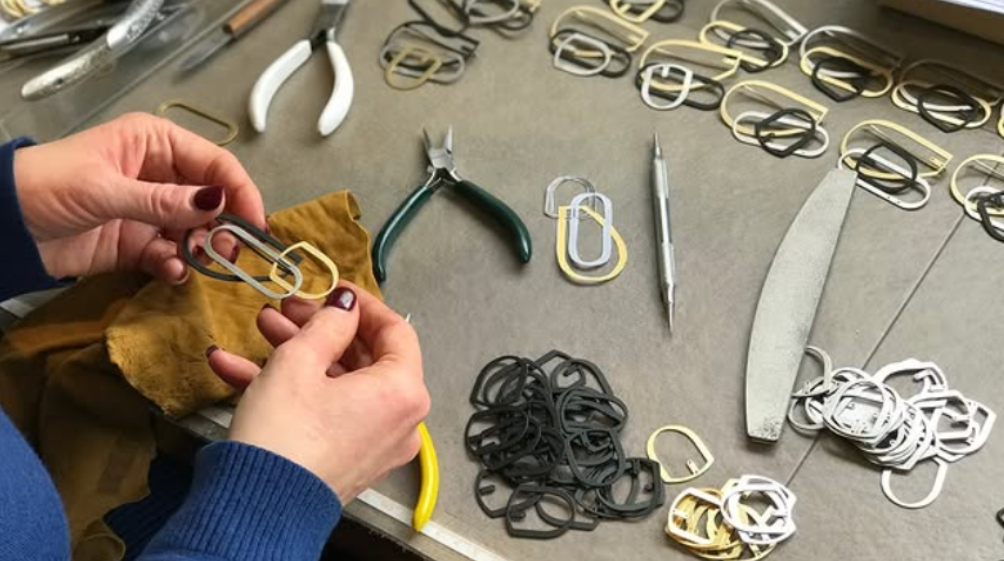
While fast fashion relies on speed and replication, InSync Design chose permanence. Iris never tried to appeal to everyone and that restraint became the brand’s power.
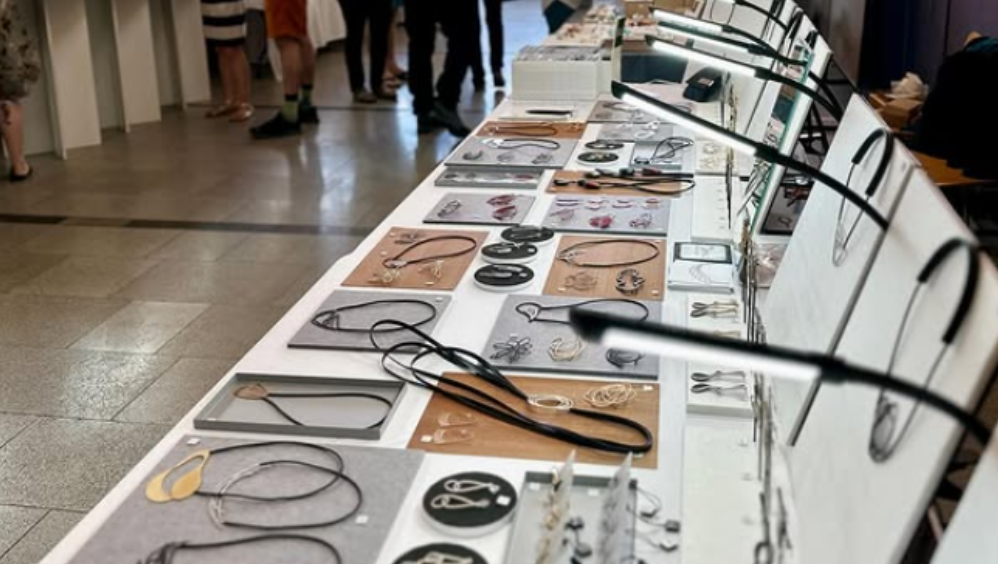
Her collectors now over 8,000 worldwide, including architects, designers, performers, and politicians. Many own 50 or more pieces. Every month, Iris releases just one new design. Every month, they buy.
It’s the difference between a disposable outfit and a piece of art you return to year after year.
Scarcity, when paired with trust, creates loyalty.
The Wholesale-First Pricing Model That Saved Her Margins
“Always base your price point on wholesale and then go to retail. Whereas if you went backwards, you’ll often lose.”
Most creators start with direct-to-consumer pricing and struggle when retailers ask for wholesale rates. Aris did the oppositeand it's why her business survived the pandemic pivot from wholesale to online.
Her formula: One-third materials, one-third labor, one-third profit.
This wholesale-first structure meant that when she moved to e-commerce, her doubled margins absorbed the hidden costs of packaging, shipping, returns, and ads, with 25% extra profit remaining.
She also structured exclusivity intelligently. Stockists who ordered consistently kept territorial protection but only if they maintained minimum order quantities. "You need to honor them and not impinge on their exclusivity, but they need to respect that you still need your income."
The principle: Design your pricing architecture for your worst-case scenario, not your best-case one. When markets shift, you want room to maneuver.
The Question Every Founder Eventually Faces
What is growth really costing you?
For 15 years, Iris exported to 90 of the world’s top museums, handmaking up to 10,000 pieces annually with a team of three. The momentum was exhilarating. The workload was relentless.
Then her body forced the question.
After suffering a stroke in 2018, followed by the pause of the pandemic, Iris made a decision many founders struggle with: she walked away from wholesale scale and rebuilt around lifestyle, health, and sustainability.
“I make less revenue,” she says. “But my margins are better, and I have a life.”
It raises a deeper question for business owners everywhere: Is success defined by numbers alone, or by how long you can actually sustain them?
In an economy that rewards speed, Iris Isaac built something enduring by trusting intuition, honouring craft, and knowing exactly who not to serve. If you stripped your business back to its essence, what would remain?
Ready to structure your business for long-term sustainability?
Book a strategy session to ensure your foundation supports whatever comes next.